

Blog
How to Breed Dubia Roaches Efficiently (Step-by-Step Guide)

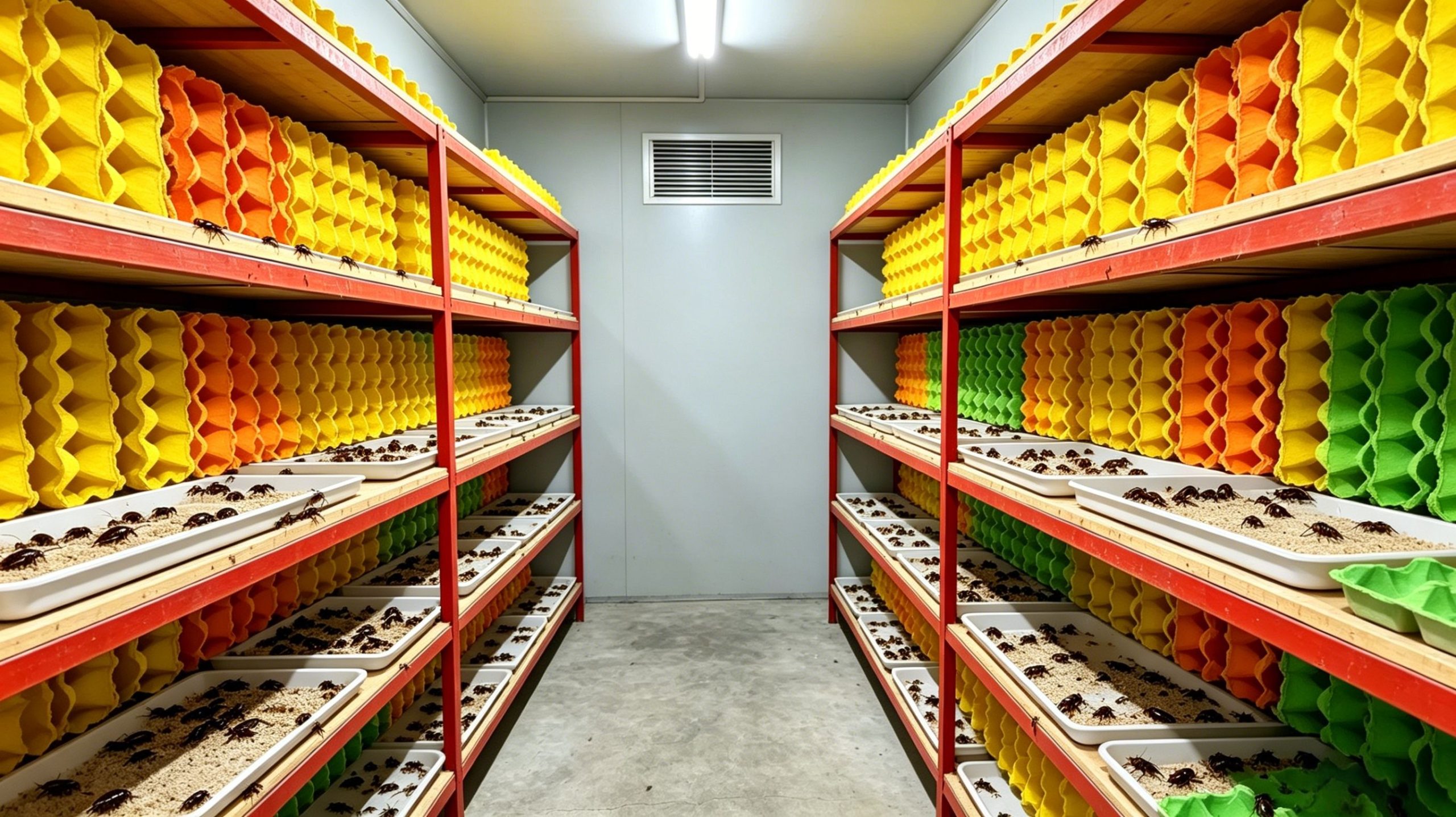
Dubia roaches are the most reliable feeder insects for reptile keepers and breeders. Their docile nature, high protein content, and steady reproduction rate make them ideal for both small-scale keepers and large commercial farms. Below is a detailed guide to breeding them efficiently.
1. Setting Up the Perfect Breeding Environment
- Temperature control: Keep the colony at a constant 25–30°C (77–86°F). This range maximizes growth rate and breeding activity. Temperatures below 22°C will slow development significantly.
- Humidity balance: Maintain humidity at 50–70%. Too dry leads to molting issues, while overly humid conditions increase mold and mite risks.
- Housing design: Use multi-tier plastic bins or commercial breeding racks with egg cartons as hiding places. This maximizes space and gives roaches a sense of security.
- Ventilation: Ensure small air holes to prevent condensation buildup, while keeping the enclosure dark. Dubia are nocturnal and thrive in low-light conditions.
2. Nutrition & Feeding for Fast Growth
- Base diet: Offer a staple of grain-based feed such as wheat bran, cornmeal, or commercial roach chow for consistent protein intake.
- Supplemental foods: Add fresh fruits and vegetables (carrots, apples, leafy greens) 2–3 times a week for hydration and vitamins.
- Water source: Use a water gel or shallow dish with cotton to prevent drowning. Never leave open water dishes in the bin.
- Avoid overfeeding: Remove uneaten produce within 24–48 hours to prevent mold growth and bacterial contamination.
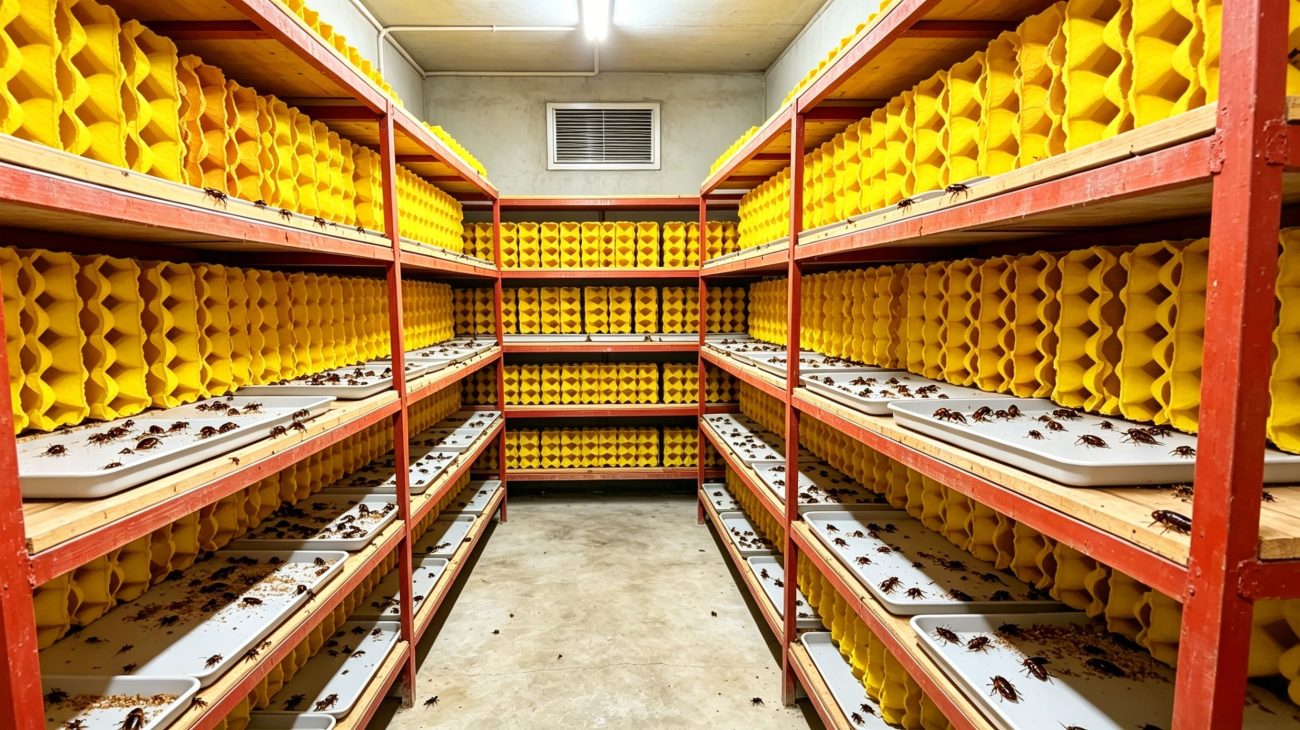
3. Breeding & Colony Management
- Understanding their life cycle: Dubia are ovoviviparous, meaning females give birth to live nymphs. They do not lay eggs, which simplifies colony management.
- Breeding ratio: Maintain a ratio of 1 male to 3–4 females for optimal fertilization rates.
- Separate life stages: For commercial farms, separate nymphs, sub-adults, and adults into different bins to control size grading and harvesting cycles.
- Colony health checks: Monitor for mites, mold, and unusual odors. Clean bins every 2–4 weeks to maintain hygiene.
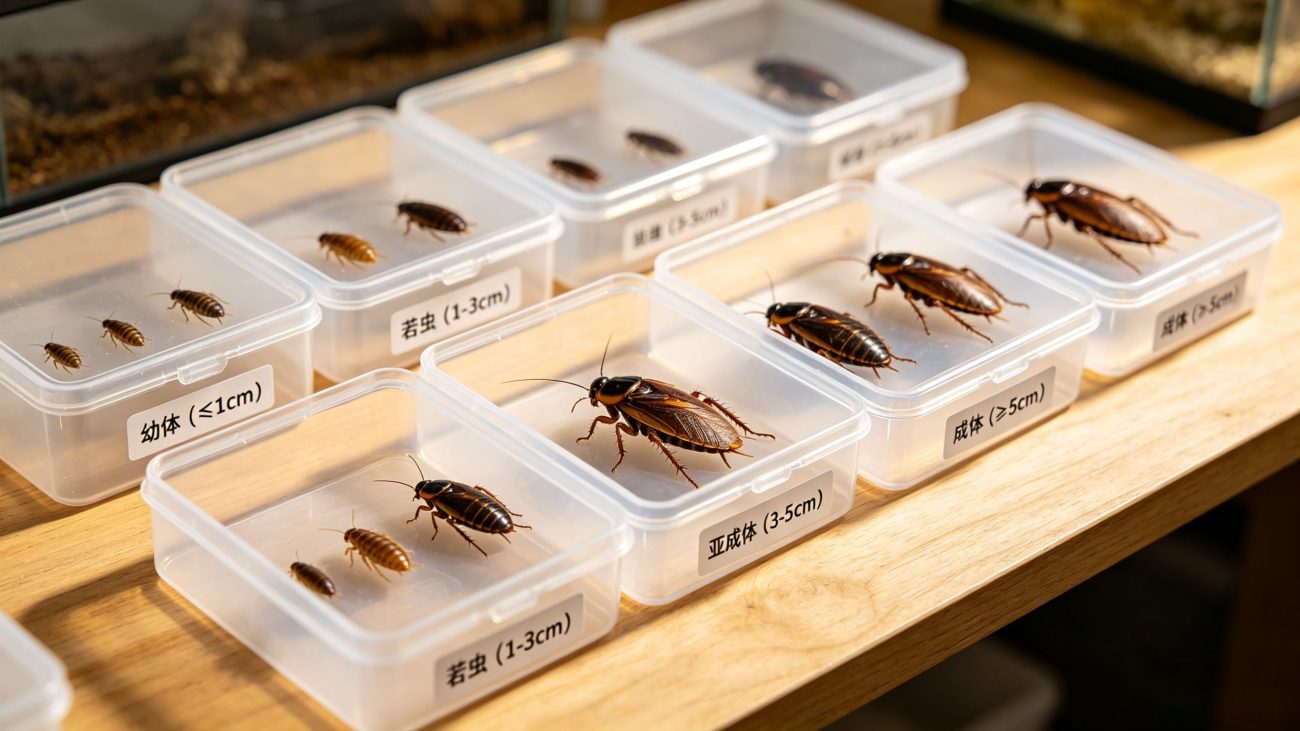
4. Harvesting & Grading for Commercial Use
- Size grading: Separate roaches by size (under 1cm, 1–1.5cm, 1.5–2cm, etc.) to meet different customer needs.
- Harvest frequency: For mature colonies, you can harvest every 2–3 weeks without disrupting the breeding cycle.
- Packaging: Use ventilated plastic containers with a small amount of substrate for safe shipping, ensuring a 95%+ survival rate.
Why Buy from a Professional Farm?
While home breeding is possible, commercial farms like ours offer key advantages:
- Year-round stable supply with consistent size grading
- Strict quality control and disease-free colonies
- Bulk pricing for reptile stores and large-scale breeders
- Reliable shipping with high survival rates guaranteed